Holistic approach
Architecture has a huge impact on our environment. At the same time, it is one of the most powerful levers to promote positive change. Since the construction industry generates about 40% of global carbon emissions, architects must actively shape the transition towards climate neutrality.
We firmly stand by the principles of the 2015 Paris Agreement and by attaining the related climate goals. In our projects, we take responsibility for greater environmental justice, moving from linear consumption patterns to the concept of circularity, which is much needed to secure our future. We pursue a holistic approach to sustainability that integrates environmental, social, cultural, and economic aspects.
We devise concepts that ensure maximum adaptability and flexibility in the use of our buildings.
Assessments
Every project comes with specific sustainability requirements. We conduct assessments to scrutinize and evaluate project specifics in collaboration with clients and users. Based on our project and process analyses, we develop a suitable sustainability strategy.
We also analyze and evaluate our own office on an ongoing basis. We record the results in a CSER report.
Certifications
LEED, DGNB, or BNB certifications consider the sustainability of buildings to be part of a comprehensive approach, including the impact on the environment and on people, resource consumption, and innovation. Accredited auditors and experts supervise all our projects. They are the client’s first port of call for making the project more sustainable, for matters regarding the material cycle and freedom from harmful substances, and for devising measures to achieve climate neutrality.
Simulations
We conduct simulations on energy-efficient building operation, thermal comfort, and daylighting using programs developed in-house specifically for this purpose while also working closely with external technical designers. This helps us calculate operating costs more comprehensively while enhancing user comfort and the quality of their stay inside the building.
Life-cycle analyses / Carbon / Energy
Our principal sustainability goal for all projects is to minimize the emission-related impact on the environment and the consumption of resources in all phases of the building’s life cycle. Comparing the outcomes of life-cycle analyses makes it possible to assess structures and construction materials as well as the energy requirements throughout the building’s operation. Reducing the carbon footprint during the construction phase is one of our highest priorities.
Material ecology and life cycle
Material ecology takes a circular approach to resources, which includes recycling, reuse, and renewable raw materials. Material characteristics are recorded in a cadastre available to the building’s users and the facility manager for maintenance and future remodeling.
Life-cycle costs consider the expenses from the time of the building’s construction through its ongoing operation to the end of its life cycle. Clients can thus assess at any point in time whether the construction budget will be met and whether the building’s subsequent operation will be economically viable.
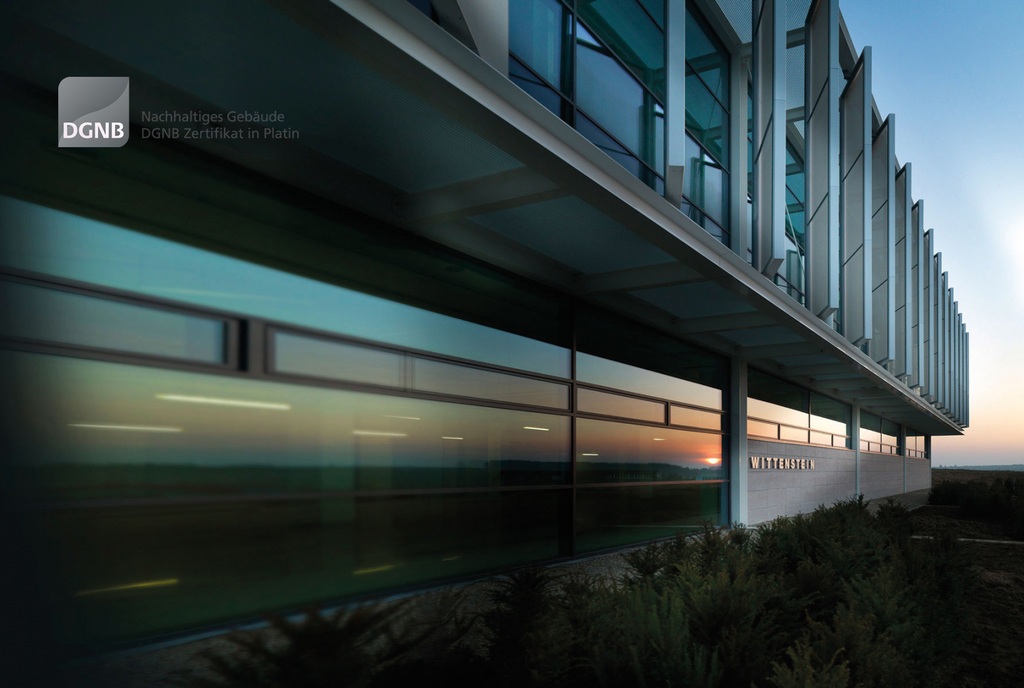
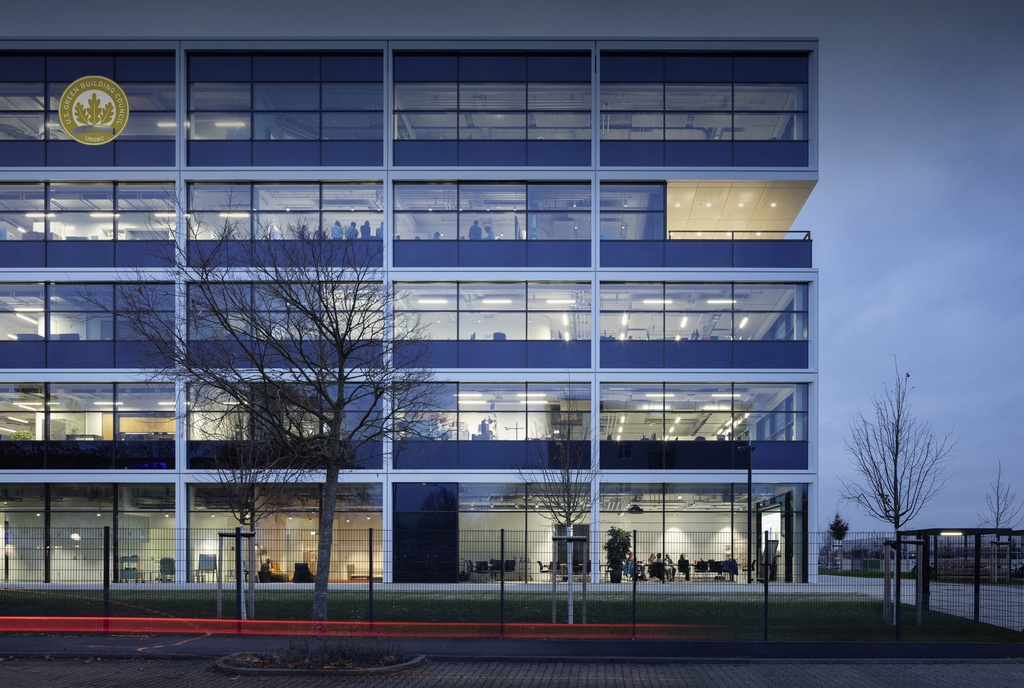
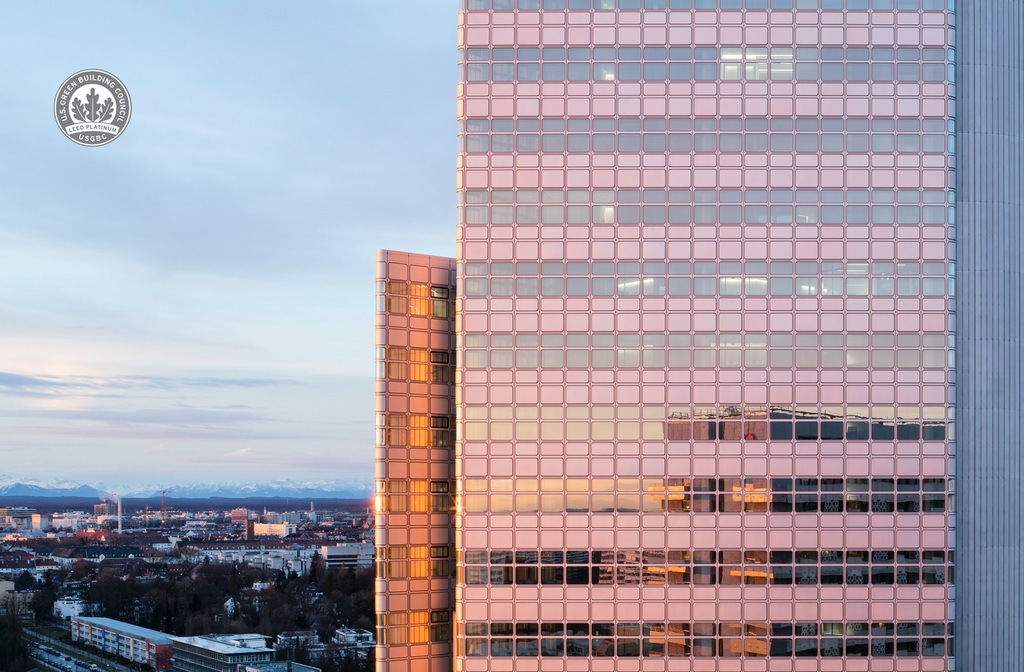
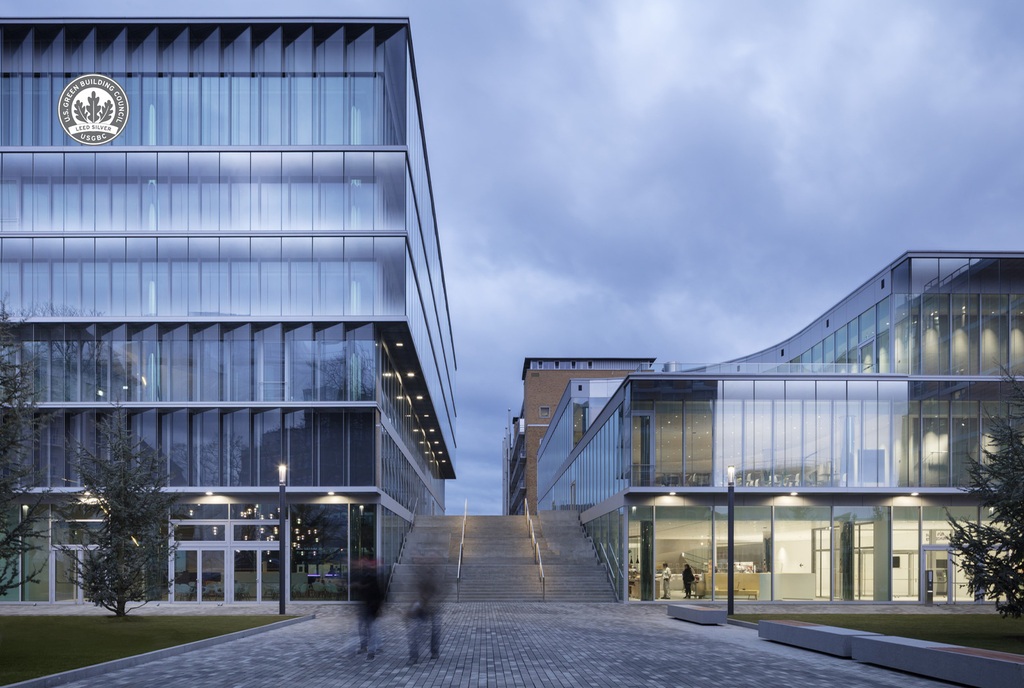
A selection of our certified projects: